Coinbase Cracks Open Its Design Vault
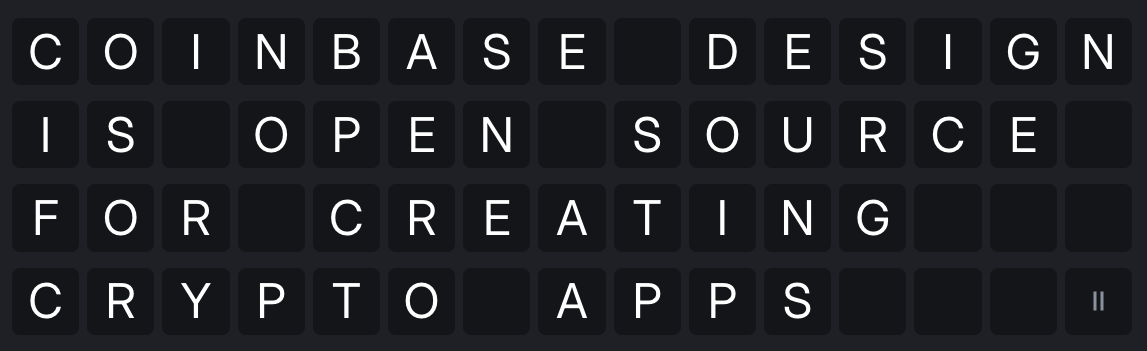
When Coinbase announced in October 2025 that it was open-sourcing its Coinbase Design System (CDS), it felt like a long-overdue invitation to peek behind the curtain of one of fintech’s top players. This move not only expresses a strong signal of confidence and goodwill to the global developer community but also raises questions: Why now? Is this transparency genuine, or is there a strategic agenda? As with any significant move in Silicon Valley, the details are as telling as the headlines—and CDS offers more than a few intriguing ones.
The Origins of Coinbase Design System
Coinbase’s journey with CDS began several years ago. Its origins trace back to around 2018, during a period of rapid growth featuring new products, fresh hires, and international expansion. However, this growth brought classic growing pains: diverse UI patterns, ad hoc accessibility solutions, and inconsistent branding across apps. By 2020, an internal design overhaul was critical. Similar to Google’s Material or Shopify’s Polaris, CDS started as Coinbase’s “secret sauce”—a playbook merging design, engineering, and branding into a cohesive system.
The Evolution: CDS Matures
Over the following years, CDS quietly evolved. Teams across Coinbase’s web and mobile products increasingly relied on it, especially as regulatory requirements tightened user flows and internationalization became a priority around 2022. Developing a unified system transcended aesthetics; it focused on scaling securely and swiftly. The system’s emphasis on accessibility, comprehensive theming, and API-first architecture reflects lessons from Coinbase’s European expansion in 2019, when localization issues impacted a critical product launch.
Inside the Open Vault: What CDS Offers Developers
So, what’s inside the open vault? The public CDS repository isn’t just a random collection of components—it’s a meticulously documented, production-ready suite. It includes:
- Modular React components
- Utility hooks
- Figma resources
- TypeScript support out of the box
- Streamlined approaches to localization and design tokens
Years of iteration are embedded in its guidelines, emphasizing accessibility as a core concern rather than a mere afterthought. For developers, it provides a straightforward process: clone the repo, and you’re set to build, not just explore.
The Timing: Why Now for Open Sourcing CDS?
While the code and guides are impressive, the real story is the timing. Why unveil this now, in late 2025? Many designers and developers are pondering this question, and the answers are layered. Coinbase has faced a turbulent few years. Regulatory uncertainties, the shaky crypto market in 2022, and consecutive layoffs in 2023 and 2024 have impacted its “unicorn” status. Concurrently, competitors like Kraken, along with smaller crypto exchanges, have launched their open-source initiatives, challenging Coinbase’s technical edge and market share.
Media & Community Reactions
Almost immediately after Coinbase’s official announcement blog, the news appeared on TechCrunch and The Verge. TechCrunch perceived this as a chance for Coinbase to influence fintech’s design standards, akin to how Google’s Material revolutionized the SaaS industry in 2014. Conversely, The Verge questioned whether the open-sourcing of CDS was a strategic play for developer engagement or merely a distraction from regulatory challenges.
Community forums reveal mixed reactions. On Hacker News, some developers praise Coinbase’s decision to “give back,” viewing it as a step toward becoming a design thought leader. However, the repo’s issues tab shows contributors questioning missing elements—“where’s the deep integration with exchange functionality?” wonders one. Others question whether withholding specific analytics and proprietary tools diminishes the impact, while optimists highlight the potential value of community feedback.
The Strategy: Positioning CDS as an Industry Standard
The strategic brilliance of this timing is evident. By positioning CDS as an industry standard, Coinbase can benefit every time a fintech startup or competitor adopts their patterns or frameworks. This tactic has worked before—Google’s open-sourcing of Material Design in the mid-2010s encouraged adoption within Google’s ecosystem and beyond.
By 2025, open-source initiatives aren't limited to hobbyists—they're powerful recruitment tools. Several designers who recently joined Coinbase expressed in Design Systems News that the CDS open-sourcing validated their choice and made them feel part of something enduring. In a global talent market, a community-focused and transparent image is invaluable.
Skeptics argue that open-sourcing doesn’t equate to relinquishing control. It’s notable that complex business logic and analytics remain in-house—a smart and necessary strategy whenever large tech companies open-source their tools in 2025. Nonetheless, making so much available to the public is bold and builds more trust than numerous PR statements.
CDS and the Future of Fintech UI
As 2026 approaches, CDS’s destiny is not solely in Coinbase’s hands but also in the global community’s—if it chooses to engage. My verdict? This move is strategically astute: technically impressive, culturally relevant, and calculated. If Coinbase aims to restore trust, attract top talent, and convert skepticism into momentum, open-sourcing CDS excels on all fronts.
Ultimately, opening the design vault doesn’t ensure universal success. CDS will realize its potential only if a broader community (beyond Coinbase) supports and advances it. In an era where “open” is the new gold standard, Coinbase’s strategy appears spot-on. The new chapter for Coinbase’s brand, fintech UI, and open-source design begins now, with the vault wide open.